
How often should a strata scheme’s gardens be maintained?
A season by season guide for strata managers and committees deciding how often the common property gardens need a visit.
Short answer
There is no legal minimum in NSW. Most strata gardens need more frequent visits in the warm months, when lawns grow fastest, and fewer in winter, when growth slows. Set the frequency by how fast the lawn grows, so no more than a third of the leaf is cut at once, then add yearly tasks such as feeding and mulching.
Key takeaways
- NSW sets no visit frequency for strata gardens. The owners corporation must maintain common property, and the contract sets how often.
- Lawns drive the schedule. Cut often enough that no more than one third of the leaf comes off in a single mow.
- Warm season grasses slow down once average soil temperatures drop below 14 degrees, so winter visits can be spaced out.
- Feeding, mulching and hedge shaping are seasonal tasks, not every visit tasks, so list them separately.
- Garden maintenance and lawn mowing are paid from the administrative fund, so settle the frequency before the annual budget is set.
- Review the schedule after the first summer. That is when an under serviced garden shows it.
Jump to a section 10
- Is there a legal minimum for how often strata gardens are maintained in NSW?
- How often strata lawns need mowing in Sydney
- A starting maintenance schedule for a Sydney strata garden
- What changes how often a strata garden needs a visit
- Seasonal calendar for a Sydney strata garden
- Watering a strata garden under Sydney Water’s rules
- How strata garden visit frequency affects the administrative fund
- How to set the garden maintenance frequency for a strata scheme
- Where Greenz Gardenscaping fits for strata and commercial sites
- Common questions
Is there a legal minimum for how often strata gardens are maintained in NSW?
No. What the law sets is the duty, not the timetable. The NSW Government’s strata repairs and maintenance guidance says the owners corporation or strata committee must repair and maintain common property, and it names gardens as an example of common property. Owners look after anything within their own lot.
The strata publication LookUpStrata puts it plainly: there are no mandated guidelines on maintenance frequencies for a strata complex, and the needs have to be addressed in the contract. As a general reference point for medium to large complexes, it gives gardens as weekly to fortnightly maintenance depending on the season.
So the frequency is a decision the committee makes, usually on the strata manager’s advice and a contractor’s quote. The rest of this guide is about making that decision on something firmer than habit.
Use the capital works plan as well
The NSW Government says strata schemes should use their 10 year capital works plan to inform a detailed maintenance schedule for the property. Routine garden visits sit beside that plan, not inside it, but the two should agree on what is maintained and what is due for replacement.
How often strata lawns need mowing in Sydney
In most strata gardens the lawn sets the rhythm, because it is the thing that visibly gets away from you. Lawn Solutions Australia says how often to mow depends on the turf variety and the local climate: a fast growing grass such as couch in a warm climate needs mowing more often than a slower growing grass such as buffalo in a cooler one.
The same guide gives the rule that turns that into a schedule. Mow often enough that you remove no more than one third of the leaf with each pass, because cutting that way limits stress on the grass and helps avoid scalping.
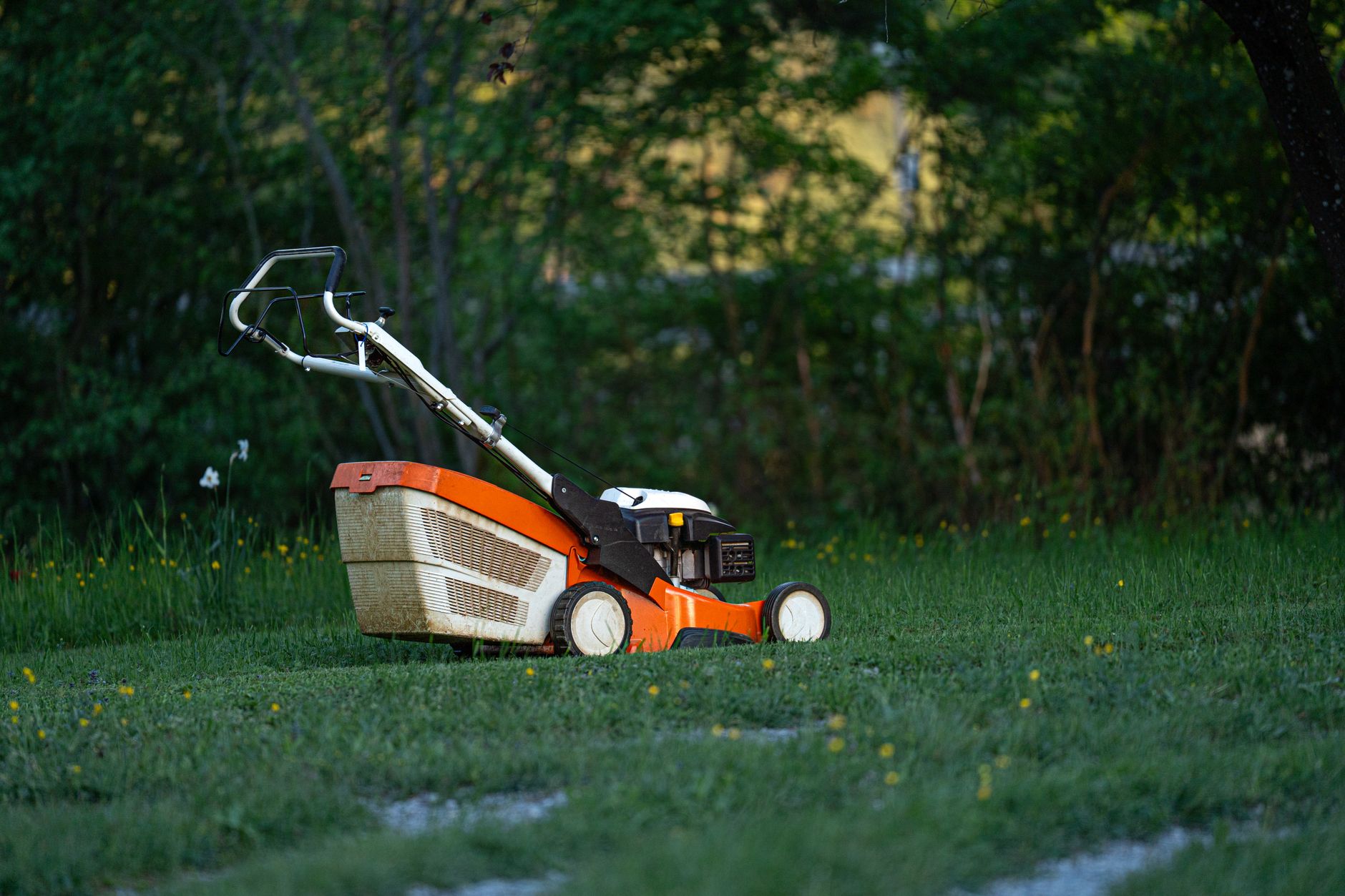
Strata lawn mowing in the warm months
As temperatures rise, lawns start to grow actively and need more frequent mows to keep up. Lawn Solutions Australia also says it is generally better to mow lower in warmer months and higher in cooler months. On a busy strata site that usually means the shortest gap between visits falls somewhere between late spring and early autumn.
Strata lawn mowing in winter
Growth slows but does not always stop. Lawn Solutions Australia says warm season grasses start to slow once average soil temperatures drop below 14 degrees, that a lawn still growing in winter needs mowing every few weeks, and that the mowing height should go up a notch or two. A winter schedule can be lighter, but it should not stop.
Working out the gap between mows with the one third rule
The rule gives you a simple test. If a lawn is kept at 30mm, it should be cut again before it reaches about 45mm, because 15mm is a third of 45mm. If the grass reaches that height in seven days in January and in three or four weeks in July, those are the mowing gaps for those months.
- Agree a target cutting height for each lawn, higher for shaded or cool season areas.
- Multiply it by 1.5. That is the height at which the lawn is due again.
- Watch how long it takes to get there in summer and in winter.
- Set the warm season and cool season visit gaps from those two figures.
Not sure how often your scheme’s gardens need a visit?
Send us the site address and what is in the gardens, and we will suggest a warm and cool season schedule and quote it.
A starting maintenance schedule for a Sydney strata garden
Lawns are only part of it. Garden beds, hedges, mulch, feeding and irrigation each have their own natural interval, and a schedule that lists them separately is far easier to check than one line that says “fortnightly gardening”.
The table below is a starting point for a committee to adjust, not a standard. Where a figure appears, the source is linked in this guide. Where there is no sourced figure, it says what to agree instead.
| Task | Warm months | Cool months | What sets the interval |
|---|---|---|---|
| Mowing and edging | Often enough to cut no more than a third of the leaf | Every few weeks while the lawn is still growing | Grass type, sun and shade, watering |
| Weeding garden beds and paving | Every visit | Every visit, with fewer visits | How well beds are mulched |
| Lawn feeding | Spring and summer feeds | An autumn feed, then usually none until spring | Lawn Solutions Australia suggests three to four feeds a year |
| Mulch top up | Before the ground dries out in spring | Rarely needed | At least once a year, more if it breaks down fast |
| Hedge shaping | When growth passes the agreed height | Less often | Species and the target height |
| Irrigation check | At the start of the warm season | At the start of the cool season | Controller programs need changing with the season |
| Tree work beyond light pruning | As needed, quoted separately | As needed, quoted separately | Council approval for the tree |
What changes how often a strata garden needs a visit
Two strata schemes with the same lawn area can need very different schedules. These are the things that move the frequency up or down, and they are worth writing into the brief before anyone quotes.
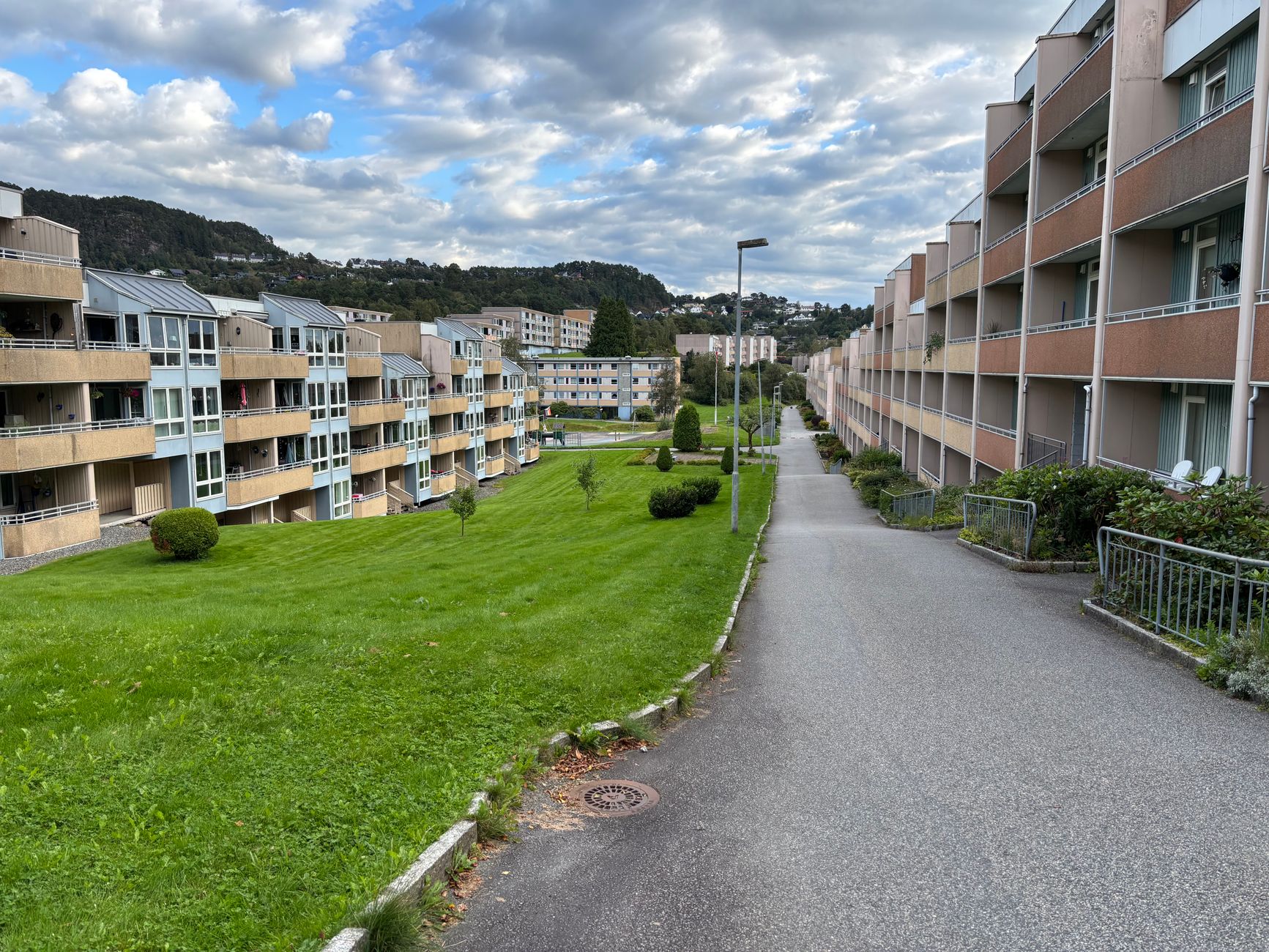
Site factors that change strata garden visit frequency
Most of these are fixed by the site, so they are worth noting once and leaving in the brief.
- The grass. A fast growing grass such as couch needs mowing more often than a slower growing one such as buffalo.
- Irrigation. Watering keeps a lawn growing, so an irrigated lawn can need visits closer together in a dry spell.
- Hedges and fast growing screens. A long boundary hedge can need more attention than the lawn in late spring.
- Bare soil. Mulch suppresses weeds, so bare beds need more weeding than mulched ones.
- Foot traffic. Shortcuts across lawns and busy entries wear faster and show neglect sooner.
Presentation standards for the entry, the pool and the back fence
Not every area needs the same standard. The street frontage and the main entry are what buyers, tenants and visitors see first, so it is reasonable to keep those on the most frequent schedule and visit service areas, rear boundaries and car park edges less often. Write that split into the schedule so it is a decision, not an accident.
Seasonal calendar for a Sydney strata garden
Turning the schedule into a calendar makes it easy to check a contractor’s visit log against what was due. For lawn feeding, Lawn Solutions Australia suggests three to four feeds a year, using long weekends as a guide: the Australia Day weekend in summer, Easter in autumn and the October long weekend in spring, once soil temperatures stay above 14 degrees. After an autumn feed, a lawn can usually go without until spring. Beds and shrubs have their own needs, which our page on garden fertilising in Sydney covers.
For garden beds, the Smart Water Advice factsheet published by Uralla Shire Council says to top up organic mulch every year, or more often if it has broken down, to remove weeds first, and to leave a gap of at least 4cm around plant stems. It also says mulch can reduce evaporation from soil by up to 70%.
| Season | Lawns | Beds and hedges | Other |
|---|---|---|---|
| Summer (December to February) | Most frequent mowing, a feed around the Australia Day weekend | Weeding every visit, hedge shaping as growth demands | Watch irrigation coverage and run off |
| Autumn (March to May) | Mowing gaps lengthen, a feed around Easter | Weeding, tidy up after summer growth | Green waste from leaf fall |
| Winter (June to August) | Mow every few weeks if still growing, cut a notch higher | Lighter weeding, structural pruning where suitable | Change irrigation programs for the cooler months |
| Spring (September to November) | Growth picks up, feed once soil stays above 14 degrees | Mulch top up before the ground dries, hedge shaping | Change irrigation programs for the warmer months |
Feeding is its own line item
Lawn feeding three or four times a year is not the same as a fortnightly visit, so list it, price it and record it as its own line rather than assuming it happens on a routine visit.
Watering a strata garden under Sydney Water’s rules
Watering affects how often a garden needs attention as much as anything else, because a well watered lawn grows. Sydney Water’s Water Wise Guidelines apply to everyone in Greater Sydney. At the time of writing they allow gardens and lawns to be watered with drinking water before 10am and after 4pm, with smart or drip systems allowed between those times, and new turf or plantings can be watered at any time for 28 days. The rules do not apply to recycled water or tank water.
Sydney Water changes these rules from time to time, so check its page rather than relying on the times above. For a strata scheme, the practical points are who changes the irrigation controller each season and how faults are reported.
- Change the controller program twice a year, at the start of the warm and cool seasons, and record it in the visit log.
- Check heads and drippers on a set visit, not only when a resident complains about a wet path.
- Adjust after new planting, then return the program to normal once the 28 days are up.
How strata garden visit frequency affects the administrative fund
The NSW Government’s page on managing strata finances calls the administrative fund the everyday fund, and lists garden maintenance and lawn mowing among its expenses. Every scheme must set a budget each year, the budget is approved at a meeting with the owners, and levy amounts come from it.
That makes the visit frequency a budget question as much as a gardening one. Settle it before the budget is drafted, so the levies reflect the schedule the committee actually wants rather than last year’s figure carried forward.
We do not publish prices, because the same frequency means very different work from one building to the next. These are the things that move the cost of a strata garden schedule:
- Visits per year, and how the warm and cool season gaps differ.
- The mix of lawn, beds and hedges, and how much of each.
- Access: stairs, narrow side paths, no parking, or gear carried through a lobby.
- Seasonal extras such as feeding, mulch top ups and irrigation checks.
- Green waste and whether it leaves the site on the day.
How to set the garden maintenance frequency for a strata scheme
Putting it together, this is the order we would suggest for a committee or strata manager deciding how often the gardens should be done.
- Walk the site with the strata plan and mark the common property gardens, leaving out lot property and exclusive use areas the by-laws give to owners.
- Split the site into areas and give each a presentation standard: entry and frontage, courtyards, rear boundaries and service areas.
- Set a warm season and a cool season visit gap for the lawns using the one third rule.
- List the yearly and seasonal tasks separately: feeds, mulch top up, hedge shaping, irrigation program changes.
- Put the schedule into the contract and ask for a visit log, so what was done can be checked against what was due.
- Review it after the first summer and adjust before the next budget.
Writing the strata garden schedule into the contract
A frequency only works if it is written down. Our guide to what a strata gardening contract should cover sets out the scope, irrigation, tree and termination clauses that sit around the schedule.
Trees on strata common property
Tree work does not belong on a routine schedule. Hornsby Shire Council, for example, says that pruning or removing a tree on private property generally needs a permit, with some exemptions such as pruning live branches that cause a nuisance up to 10% of the canopy, and that for a tree on strata common property the consent comes from the body corporate. Other councils have their own rules, so check with the council for the site.
Where Greenz Gardenscaping fits for strata and commercial sites
We have worked as gardeners across Sydney since 2014, for homes, strata schemes and commercial clients, across the Hills District, North Shore, Hornsby, Inner West, Parramatta and Ryde. Our work covers garden and lawn maintenance, hedge trimming, turf management, fertilising, garden clean ups, and irrigation installation, repair and maintenance.
If you look after a scheme and want a schedule priced, our strata gardening page explains how we work with strata managers. Office parks, retail centres and industrial sites face the same questions about frequency with different access and working hours, and our page on commercial grounds maintenance covers those. Either way, send the site address and how often you think it needs attention through the quote page and we will come back with a quote.
Common questions
Is there a required frequency for strata garden maintenance in NSW?
No. The owners corporation must maintain common property, which includes gardens, but no rule sets how often. The frequency is agreed in the gardening contract, usually on the strata manager’s advice.
How often should a strata lawn be mowed in summer?
Often enough that no more than one third of the leaf is cut at once. For a fast growing lawn in full sun that gap is much shorter in summer than in winter, so set the summer frequency by how quickly the grass reaches one and a half times its cutting height.
Do strata gardens still need maintenance in winter?
Yes, though less often. Warm season grasses slow once average soil temperatures drop below 14 degrees, but a lawn that is still growing needs mowing every few weeks, and beds still need weeding.
How often should strata garden beds be mulched?
The Smart Water Advice factsheet says to top up organic mulch every year, or more often if it has broken down, after removing weeds. Spring, before the ground dries out, is a sensible time to schedule it.
Who decides how often a strata garden is maintained?
The owners corporation, through the strata committee, usually on the strata manager’s advice. Garden maintenance is paid from the administrative fund, so the frequency should be settled before the annual budget is set.
Does the same schedule work for a commercial site?
The same approach does: seasonal mowing gaps, separate yearly tasks and higher standards for the most visible areas. Access, working hours and how the site is used change the detail.
The short version
NSW sets no frequency for strata garden maintenance. Set it by how fast the lawns grow, with separate warm and cool season gaps, add seasonal tasks such as feeding and mulching as their own lines, and agree it before the administrative fund budget is set.
- The owners corporation must maintain common property gardens. The contract sets how often.
- Mow often enough to take no more than a third of the leaf, which means shorter gaps in summer.
- Space visits out in winter, but do not stop them.
- Feeds, mulch, hedges and irrigation checks have their own seasonal timing.
- Review the schedule after the first summer and before the next budget.
Strata, commercial and home gardens across Sydney
Tell us what the site is and how often you think it needs attention, and we will come back with a schedule and a quote.
Castle Hill · 0405 595 123
Sources
- Strata repairs and maintenance, NSW Government
- Managing strata finances and insurance, NSW Government
- NSW: Owners Corporation Run With No Meetings + No Maintenance, LookUpStrata
- What You Need to Know About Mowing, Lawn Solutions Australia
- Do I need to mow in winter?, Lawn Solutions Australia
- Lawn Weekend Fertilising Tip, Lawn Solutions Australia
- Saving water with mulch (Smart Water Advice factsheet), Uralla Shire Council
- Water Wise Guidelines, Sydney Water
- Trees on private property, Hornsby Shire Council